
What is Tourmaline
What is Tourmaline?
Tourmaline is a versatile gemstone known for its wide range of colors and unique properties. It is a borosilicate mineral that often occurs in shades of pink, green, blue, red, yellow, and even black. Because of this color variation, tourmaline is often prized in the jewelry world and holds a special place in both luxury and bohemian styles. Tourmaline has been valued for centuries in various cultures, not only for its beauty but also for the spiritual and healing properties attributed to it.
Characteristics of Tourmaline
1. Color variety
One of tourmaline's most striking features is its enormous variety of colors. Each color is often associated with specific names:
- Pink Tourmaline (Rubellite) : Known for its romantic and soft appearance.
- Green Tourmaline (Verdelite) : Has a fresh, natural appearance and is often confused with emerald.
- Blue Tourmaline (Indicolite) : A rarer variety, prized for its cool, deep blue tones.
- Watermelon Tourmaline : A bi-color stone with a pink center and a green outer rim, making it a highly sought-after gemstone.
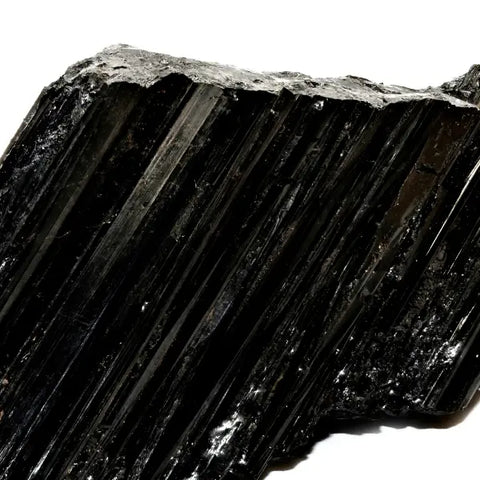
- Black Tourmaline (Schörl) : This dark variety is often used for protection and shielding from negative energies.
2. Hardness
Tourmaline has a hardness of 7 to 7.5 on the Mohs hardness scale , making it a durable stone suitable for everyday use in jewelry. It is resistant to scratches and abrasion, but it's still important to handle it with care, especially with finer, more fragile stones.
3. Gloss and Transparency
Tourmaline typically has a vitreous luster and ranges from transparent to opaque . Some tourmaline varieties may exhibit inclusions, such as fine needle-like structures, which create an interesting effect in certain light conditions.
Tourmaline deposits
Tourmaline is found in various parts of the world, but some of the major deposits include:
- Brazil : The largest source of tourmaline, especially known for its brightly colored varieties.
- Africa : Madagascar, Nigeria and Kenya are important suppliers of quality tourmaline.
- United States : Beautiful specimens of tourmaline are found especially in California and Maine.
Uses of Tourmaline in Jewelry
Due to its hardness and durability, along with its abundance of colors, tourmaline is one of the most popular gemstones in the jewelry industry. It is used in a variety of jewelry designs, including:
- Rings : Tourmaline is often used as a center stone in rings, especially because of the vibrant colors it provides.
- Pendants and necklaces : Tourmaline is polished or faceted to bring out the best of its color and is widely used in pendants.
- Bracelets and earrings : The versatility of tourmaline makes it suitable for bracelets and earrings in both classic and modern designs.
Spiritual Meaning of Tourmaline
Tourmaline is considered a powerful protective and purifying stone in spiritual circles. Its spiritual properties can vary depending on the color. Generally, tourmaline is known for its ability to ward off negative energies, grounding, and promoting emotional balance.
Popular spiritual applications:
- Protection : Black tourmaline in particular is known for its protective powers and is often worn to ward off negative energy.
- Emotional Balance : Pink and green tourmaline help promote love, self-acceptance, and emotional healing.
- Creativity and inspiration : Blue and purple tourmaline are associated with stimulating creativity and strengthening intuition.
Frequently Asked Questions about Tourmaline
Is tourmaline suitable for everyday use in jewelry?
Yes, with a hardness of 7 to 7.5, tourmaline is durable enough for everyday use. It is resistant to scratches and abrasion, but care should be taken to prevent finer inclusions or more fragile pieces from breaking.
How do I maintain my tourmaline jewelry?
Tourmaline can be cleaned with a soft cloth and lukewarm water. Avoid harsh cleaning agents and store tourmaline jewelry separately from harder stones to prevent scratches. Ultrasonic cleaning can also be harmful to some varieties, so it's best to gently clean the stone by hand.
What is the difference between tourmaline and emerald?
Although both tourmaline and emerald come in green hues, tourmaline is generally more durable and affordable than emerald. Emerald often has more inclusions and is generally more fragile, while green tourmaline can be brighter without the fragility of emerald.
Conclusion
Tourmaline is a versatile and colorful gemstone, beloved for its wide range of colors, durability, and spiritual significance. Whether worn in an elegant ring, a striking pendant , or a subtle bracelet, tourmaline offers a unique and versatile appearance that has both aesthetic and spiritual value.