
What is Jade
What is Jade?
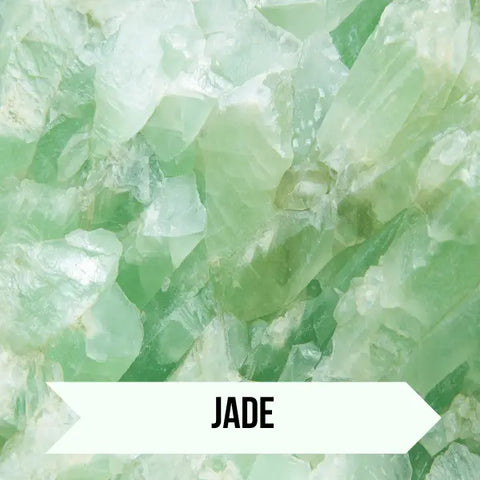
Jade is a durable and versatile gemstone that has been prized for thousands of years for its beauty and symbolic meaning. Jade comes in a variety of colors, but the most common is green . There are two types of jade: jadeite and nephrite . Both are often used in jewelry and decorative objects and are associated with properties such as purity, wisdom, and protection.
Characteristics of Jade
1. Types of Jade: Jadeite and Nephrite
- Jadeite is rarer and generally considered the most precious form of jade. It has a hardness of 6.5 to 7 on the Mohs hardness scale and is known for its bright green color, although it also occurs in lavender, white, red, yellow , and black.
- Nephrite is slightly softer, with a hardness of 6 to 6.5 , and is usually white, green , or brown in color. Historically, it was widely used in China for decorative objects and jewelry.
2. Color
Although jade is most famous for its vibrant green , it also occurs in other colors such as lavender , pink , red , white , and yellow . The value of jade is often determined by the intensity and consistency of its color.
3. Hardness and Durability
Jade is a relatively hard stone and very durable, making it suitable for everyday use in jewelry. It is resistant to wear and tear, which is why it has been used for centuries in various cultures.
4. Gloss and Transparency
Jade typically has a glassy to oily luster and can range from transparent to opaque . High-quality jade, especially jadeite, often has an almost translucent quality that contributes to its beauty.
Jade deposits
Jade is found worldwide, but some of the major sources include:
- Myanmar (Burma) : The largest source of high-quality jadeite.
- China : A historic source of nephrite and a country where jade has deep-rooted cultural significance.
- New Zealand : Known for its nephrite, often referred to as "pounamu" or "greenstone" , an important stone to Maori culture.
- Canada : Important for its nephrite deposits.
Uses of Jade in Jewelry
Jade is widely used in jewelry such as:
- Rings : Jade is often set in rings because of its durability and vibrant colors.
- Bracelets and Beads : Nephrite in particular is cut into beads and bracelets, loved for their smooth, shiny surface.
- Pendants and Amulets : Jade is often used in symbolic pendants and amulets, such as the famous "Laughing Buddha" design.
Symbolic Meaning of Jade
In many cultures, especially China, jade is considered a sacred stone representing purity , harmony , and protection . It is often used as a talisman or amulet to attract good luck, prosperity, and longevity.
Spiritual and metaphysical applications:
- Protection : Jade is seen as a protective stone that wards off negative energies.
- Peace and Wisdom : It is also associated with calmness, wisdom, and emotional stability.
- Healing : Jade is sometimes used in healing practices to relieve physical and emotional blockages.
Frequently Asked Questions about Jade
What is the difference between jadeite and nephrite?
Jadeite is harder and rarer than nephrite and is often considered the more valuable form of jade. Jadeite comes in a wider range of colors, while nephrite is usually found in green and white.
How do I maintain my jade jewelry?
Jade is durable, but it's important to take good care of it. Clean your jade jewelry with lukewarm water and a soft cloth. Avoid harsh cleaning agents and don't expose the stone to high temperatures or chemicals.
Is jade suitable for everyday use?
Yes, jade is very suitable for everyday use due to its hardness and durability. It is resistant to scratches and impacts, making it an excellent choice for rings, bracelets, and other jewelry.
Conclusion
Jade is a beautiful, versatile gemstone that has been prized for centuries for its beauty, durability, and symbolic meaning. Whether used in jewelry or as a decorative object, jade remains a timeless choice that enriches both aesthetically and spiritually. Its durability and vibrant colors make it a popular choice for everyday jewelry and spiritual objects.