
What is 925 Silver
What is 925 silver?
925 silver , also known as sterling silver , is one of the most popular and widely used materials in jewelry. It offers an excellent balance of beauty, durability, and affordability, making it beloved by both designers and consumers. In this article, we delve deeper into what 925 silver is, how it's made, its history, and why it's such a popular choice for jewelry. We also address frequently asked questions and explain how the Dutch Hallmarking Act applies to silver jewelry.
Composition of 925 silver
The name 925 silver refers to the percentage of silver incorporated into the material. 925 means that the piece is made of 92.5% pure silver , while the remaining 7.5% is made of other metals, usually copper. This addition of copper is necessary to strengthen the silver, as pure silver (100% silver) would be too soft for durable use in jewelry. The copper alloy gives 925 silver the strength needed to create beautiful and functional jewelry, while retaining its luster and luxurious appearance.
History of sterling silver
Silver has been used for thousands of years to make jewelry, currency, and other valuable objects. The word "sterling" comes from the English term originally used for silver coins. These coins had a 92.5% silver content, a standard used since the 12th century. The combination of silver and other metals was used to make the material harder and more durable, without compromising the natural beauty of the silver.
Over the centuries, 925 silver has become a staple in the world of jewelry and luxury goods. It is prized for its brilliance and timeless elegance, and for its relative affordability compared to precious metals like gold.
📜 The Dutch Guarantee Act and 925 silver
In the Netherlands, the sale of silver jewelry is regulated by the Hallmarking Act . This law ensures that consumers can be certain of the authenticity and silver content of their jewelry. According to the Hallmarking Act, silver sold as real silver must have a minimum purity of 92.5% . This means that only silver that meets this standard may be sold as "925 silver" or " sterling silver ."
Quality marks and stamps
925 silver is usually stamped with a hallmark that confirms its silver content. In the Netherlands, silver jewelry is hallmarked with a government-monitored hallmark . These hallmarks can vary by country, but in the Netherlands, a 925 hallmark will indicate the purity of the silver. This guarantees consumers that they are actually buying sterling silver and not lower-quality silver.
Without this hallmark, silver cannot be sold as 925 silver in the Netherlands. This hallmark is important because it protects consumers from being misled and ensures that the jewelry actually contains the claimed silver content.
Benefits of 925 silver in jewelry
925 silver offers several clear advantages for both jewelry designers and wearers:
- Durability: The addition of 7.5% other metals makes 925 silver strong enough to be worn daily while retaining its beauty. It is much harder than pure silver and therefore lasts longer.
- Affordability: Compared to gold or platinum, 925 silver is much more affordable while still maintaining a luxurious appearance. This makes it an excellent choice for those who want high-quality jewelry without the high cost of precious metals.
- Beautiful luster: Silver has a beautiful, vibrant sheen that makes it very attractive for jewelry. It reflects light similarly to white gold or platinum, but at a lower price.
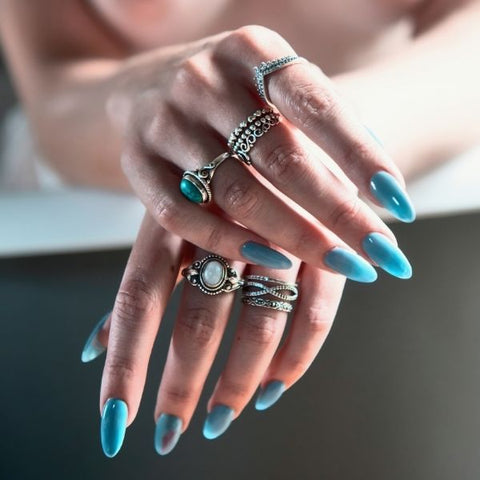
- Versatility: The strength and flexibility of 925 silver allow designers to incorporate it into a wide range of jewelry, from rings and bracelets to necklaces and earrings . It can be combined with various gemstones and materials, creating endless design possibilities.
Frequently asked questions about 925 silver
Is 925 silver real silver?
Yes, 925 silver is considered real silver because it consists of 92.5% pure silver. The remaining 7.5% is made up of other metals (usually copper) that are added to make the silver stronger and more durable.
Can 925 silver tarnish?
Although 925 silver can oxidize and darken over time, this is easily remedied with a simple polish. Regular cleaning and proper maintenance help maintain the silver's shine.
Is 925 silver suitable for people with sensitive skin?
Yes, most people with sensitive skin can wear 925 silver jewelry without any problems. It is hypoallergenic and rarely causes skin irritation. For people with nickel allergies , 925 silver is a safe choice because it doesn't contain nickel .
How do I maintain my 925 silver jewelry?
To keep your 925 silver jewelry in top condition, it's recommended to polish it regularly with a silver cloth. Avoid contact with chemicals such as perfume, cleaning products, or chlorine, as these can damage the silver finish. Furthermore, store silver jewelry in an airtight container to prevent oxidation when not being worn.
Tips for buying 925 silver
- Check the hallmark: Make sure the jewelry is stamped 925, which guarantees it is genuine sterling silver.
- Maintain your silver well: Polish your silver jewelry regularly to keep it looking its best.
- Pay attention to the price: 925 silver is affordable, but if a piece of jewelry seems too cheap, it could be a sign that it is not made of real sterling silver.
🌐 Conclusion
925 silver , also known as sterling silver , is one of the most sought-after materials for jewelry due to its combination of beauty, affordability, and durability. Thanks to the addition of 7.5% other metals, 925 silver is much stronger than pure silver, making it ideal for everyday use. In the Netherlands, the sale of 925 silver is strictly regulated by the Hallmarking Act , meaning that silver jewelry must always be hallmarked to guarantee its authenticity.
With proper care, 925 silver jewelry can last for years, making it a valuable and lasting investment. Whether you're looking for a beautiful piece of silver jewelry for yourself or as a gift, 925 silver offers an excellent option that's both elegant and practical. 🌟